
15 Days in Hungary: Budapest & Beyond Itinerary (2026 Guide)
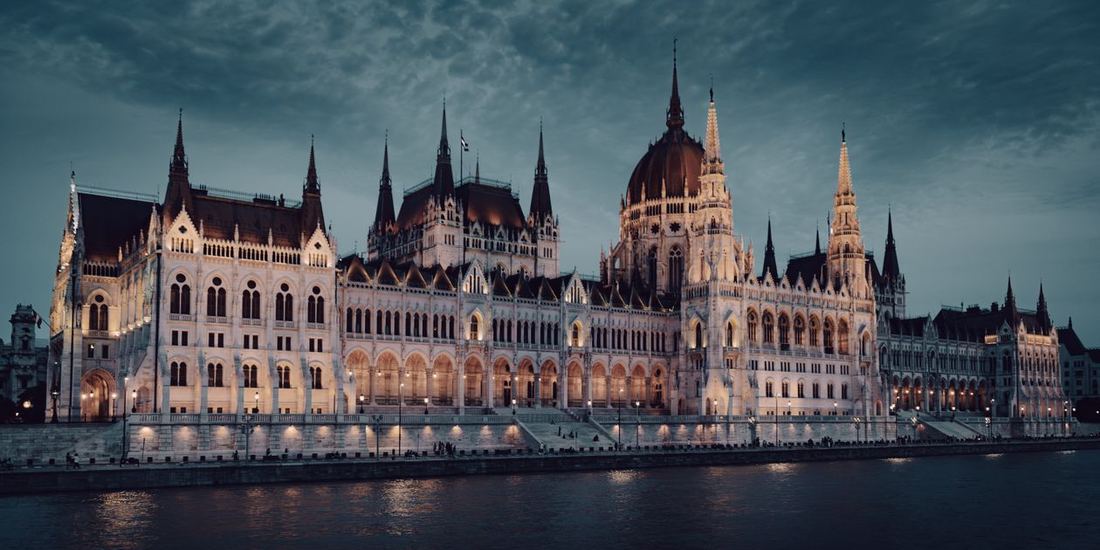
Hungary gives you more Europe per dollar than almost anywhere else on the continent. In Budapest alone you get a fairytale castle district, the grandest parliament building in Europe, ruin bars built in abandoned buildings, and thermal baths where you can soak outdoors while steam rises into cold air. Then beyond the capital: wine towns, a giant lake, riverside castles, and baroque cities most tourists never reach.
Fifteen days is the ideal length for Hungary. It lets you explore Budapest slowly, without the sprint most visitors do, and still see the country’s best day trips and second cities. This itinerary uses Budapest as a single home base, so you unpack once and take easy train trips outward.
Is 15 Days Enough for Hungary?
Yes, 15 days is plenty for Hungary. It covers Budapest’s major sights at a relaxed pace plus 5 to 6 day trips (Szentendre, Lake Balaton, Eger, Visegrad, Szekesfehervar, Pecs). You will not need to change hotels, since every trip on this itinerary runs from Budapest by train or bus.
15-Day Hungary Itinerary at a Glance
| Days | Focus | Highlights |
|---|---|---|
| Day 1-4 | Budapest essentials | Parliament, Basilica, Szechenyi Baths, Heroes’ Square, ruin bars |
| Day 5 | Szekesfehervar | Coronation city, Bory Castle |
| Day 6-8 | Buda side | Fisherman’s Bastion, Buda Castle, Rudas Baths, Gellert Hill |
| Day 9 | Szentendre | Riverside art town |
| Day 10 | Lake Balaton | Hungary’s “sea”, Balatonfured promenade |
| Day 11 | Eger | Castle, baroque old town, wine valley |
| Day 12 | Visegrad | Danube Bend castle views |
| Day 13 | Pecs | Cathedral, early Christian tombs |
| Day 14 | Budapest free day | Revisit favorites, souvenirs |
| Day 15 | Departure |
Base: Budapest (all 14 nights, no hotel changes)
Best for: First-time visitors to Central Europe, history lovers, food and wine travelers, slow travelers
Getting around: Budapest public transport + day-trip trains
Before You Go: Hungary Essentials
Visa: Hungary is in the Schengen Area. US, UK, Canadian, and Australian passport holders get 90 days visa-free. Check current rules for your nationality before booking.
Money: Hungary uses the Hungarian forint (HUF), not the euro. Roughly 400 HUF = 1 EUR (rates move, so check before you go). Credit cards are widely accepted in Budapest, but carry cash for markets, small towns, and thermal bath lockers.
Language: Hungarian is famously difficult, unrelated to any neighboring language. In Budapest, English is widely spoken in hotels, restaurants, and tourist areas. Outside the capital, learn a few basics: koszonom (thank you) and egeszsegedre (cheers) go a long way.
Getting from the airport: Budapest Ferenc Liszt International Airport sits about 45 minutes from the center. The 100E airport bus runs directly to the city center for 2,200 HUF (around 6 EUR). Taxis and ride apps cost roughly 10,000-13,000 HUF.
Where to Stay in Budapest: Buda vs Pest
You will spend all 14 nights in Budapest, so pick your neighborhood well.
Pest (the east side) is livelier: more restaurants, ruin bars, shops, and nightlife, plus Parliament, St. Stephen’s Basilica, and the Jewish Quarter. Best if you want to be near the action and walk to dinner.
Buda (the west side) is quieter and greener: Buda Castle, Fisherman’s Bastion, and Gellert Hill, with calmer residential streets. Best if you prefer peaceful evenings and views.
For a 15-day stay, consider an apartment rental in Pest near the Danube: more space, a kitchen for market breakfasts, and usually better value than hotels for two weeks. Mid-range hotels run 25,000-45,000 HUF per night (65-115 EUR); apartments are similar or cheaper for long stays.
You may also like to read this: 30+ Best Things to Do Alone in Los Angeles: Solo Travel Guide
Day 1: Arrival and an Evening on the Danube
Arrive, check in, and keep it light. If you land early, visit the Zwack Unicum Museum in Pest to learn about Hungary’s famous herbal liqueur, bitter, dark, and unlike anything else.
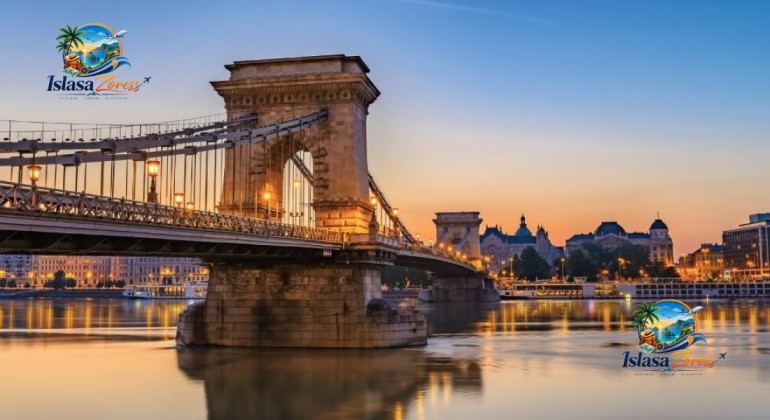
In the evening, walk along the Danube on the Pest side. Watching Buda Castle and Fisherman’s Bastion light up across the river is the perfect first-night welcome, and it costs nothing.
Day 2: Heroes’ Square, City Park, and Szechenyi Baths
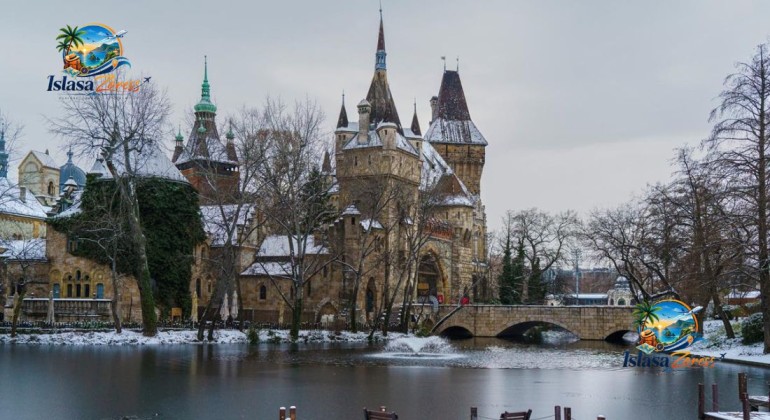
Start at Heroes’ Square, then stroll through City Park to Vajdahunyad Castle, a romantic mashup of Hungarian architectural styles that looks like a film set.
Spend the afternoon at Szechenyi Thermal Bath, Europe’s largest bath complex, built in 1913. Its yellow neo-baroque buildings and steaming outdoor pools are iconic. Full-day entry runs about 13,200-15,800 HUF (30-40 EUR) depending on weekday and locker or cabin. Note: entry is 14+ only. Go on a weekday morning to beat the crowds; the 10am-2pm window is the busiest.
Day 3: Parliament, St. Stephen’s Basilica
Book the Hungarian Parliament tour online well in advance, since slots sell out. The neo-Gothic building has 691 rooms, and the guided tour covers the grand staircase, the dome hall, and the Holy Crown. Official 2026 prices: 7,000 HUF for EEA citizens, 14,000 HUF for non-EEA visitors (roughly 18-35 EUR).
Walk to St. Stephen’s Basilica afterward and take the elevator to the dome terrace for 360-degree city views. If classical music appeals to you, the Basilica hosts evening organ concerts in a stunning setting.
Day 4: Margaret Island and Ruin Bars
Margaret Island is Budapest’s green lung in the middle of the Danube, car-free and made for slow wandering: rose gardens, the musical fountain, the water tower, and the Palatinus Baths in summer.
In the evening, experience the ruin bars of the Jewish Quarter. These bars were built in abandoned pre-war buildings and courtyards, filled with mismatched furniture and street art. Szimpla Kert is the original and most famous. Even if you do not drink much, the atmosphere is worth seeing.
Day 5: Day Trip to Szekesfehervar
Take the 1-hour train to Szekesfehervar, Hungary’s coronation city where medieval kings were crowned and buried. Explore the baroque old town, the Medieval Ruin Garden, and the cathedral crypt.
If time allows, take a local bus to Bory Castle, a one-man architectural fantasy built by sculptor Jeno Bory over 40 years, filled with his sculptures and mosaics. It is strange, personal, and unlike any castle in Europe.
Day 6: Fisherman’s Bastion, Matthias Church, Chain Bridge
Cross to Buda early. Fisherman’s Bastion opens its terraces early morning, and arriving before 9am means photos without crowds. The seven fairy-tale turrets frame perfect Danube views.
Step inside Matthias Church behind the bastion: the colorful tiled roof is famous, but the interior’s painted walls and stained glass are the real surprise. Then walk down toward the Chain Bridge, the 1849 suspension bridge that first joined Buda and Pest. Crossing it on foot at sunset is a classic Budapest moment.
Day 7: House of Terror, Opera, Budapest Eye
The House of Terror Museum documents Hungary’s fascist and communist occupations in the actual building where secret police operated. It is heavy but important, and one of Budapest’s most visited museums. Allow 2 hours.
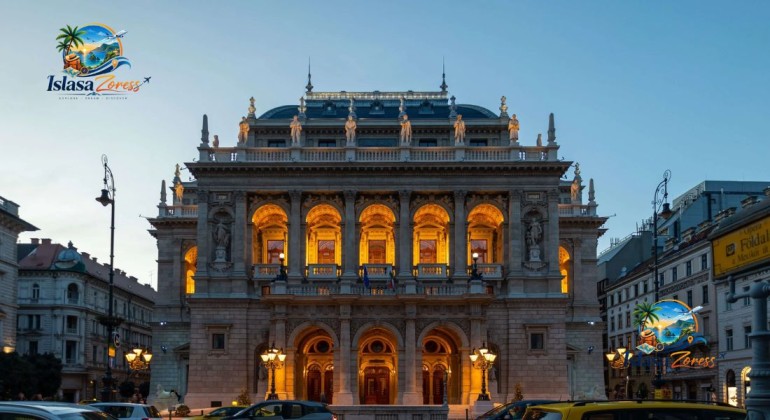
Continue to the Hungarian State Opera for a daytime guided tour of the neo-Renaissance auditorium, or book an evening performance (tickets are far cheaper than in Western Europe). End at Erzsebet Square with a ride on the Budapest Eye ferris wheel around sunset.
Day 8: Rudas Baths, Buda Castle, Gellert Hill
Rudas Baths is the most atmospheric thermal bath in Budapest: a 16th-century Ottoman octagonal pool under a star-cut dome, plus a modern rooftop pool with Danube views. Entry runs around 9,000-12,000 HUF (23-30 EUR). Friday and Saturday nights have late-night bathing sessions.
Afterward, explore Buda Castle and the Castle Hill streets, then climb Gellert Hill for the best panoramic viewpoint in the city, especially at golden hour.
Day 9: Day Trip to Szentendre
Just 40 minutes north by suburban train (HEV), Szentendre is a colorful riverside town of art galleries, museums, and cobbled lanes. Browse the main square, pop into the Marzipan Museum (more fun than it sounds), and walk down to the Danube bank. It is small enough to see in half a day, leaving your afternoon free back in Budapest.
Day 10: Day Trip to Lake Balaton
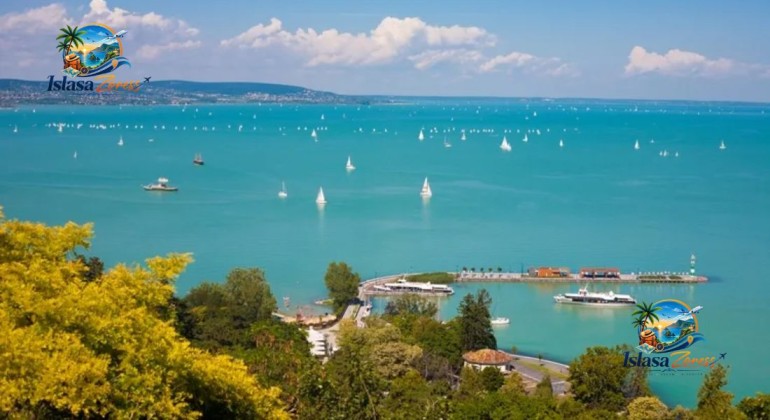
Hungarians call Lake Balaton their sea: it is the largest lake in Central Europe. Take the train to Balatonfured on the north shore (about 1.5-2 hours). Walk the lakeside promenade, have a long lunch by the water, and swim if the season allows. The north shore is also wine country, so a glass of local Olaszrizling with your lunch is practically required.
Day 11: Day Trip to Eger
Eger (2 hours by train) packs a castle, a baroque old town, and Hungary’s most famous wine valley into one small city. Tour Eger Castle, where Hungarians held off the Ottoman siege of 1552, then walk the old town to the Basilica and the minaret (a leftover of Ottoman rule you can climb).
Finish in the Valley of the Beautiful Woman (Szepasszonyvolgy), a valley of wine cellars where you taste Egri Bikaver, the “Bull’s Blood” red blend, directly from producers. Most cellars charge a small tasting fee.
Day 12: Day Trip to Visegrad and the Danube Bend
The Danube Bend is where the river turns sharply south through forested hills, and Visegrad has the best viewpoint. Climb to the hilltop citadel for sweeping river views, then explore the riverside town. Combine it with a stop in Esztergom (Hungary’s largest basilica) if you move fast, or keep Visegrad slow and relaxed.
Day 13: Day Trip to Pecs
Pecs in the south (2.5-3 hours by train) was a 2010 European Capital of Culture and shows it. See Szechenyi Square, the cathedral with its four towers, and the early Christian burial chambers, a UNESCO site with 1,600-year-old painted tombs. The compact center is entirely walkable, and the city’s Mediterranean feel (it is Hungary’s warmest city) makes it a relaxed day out.
Day 14: Budapest Free Day
Leave your last full day unstructured. Revisit the neighborhood you liked most, shop for souvenirs (paprika, Tokaji wine, embroidery, Unicum), have a long Hungarian lunch, or take one more thermal bath. Walk the Danube at night one final time.
Hungarian food to try before you leave: goulash (gulyas, actually a soup), chicken paprikash, langos (fried flatbread with sour cream and cheese), chimney cake (kurtoskalacs), and a bowl of fisherman’s soup (halaszle) if you are adventurous.
Day 15: Departure
Enjoy a slow breakfast. The 100E bus or a taxi gets you to Ferenc Liszt Airport in 30-45 minutes; allow extra time for morning traffic and leave 2.5-3 hours before international flights.
15-Day Hungary Itinerary
Visiting Hungary in October
October is one of the best months for this itinerary. Temperatures sit around 10-18C, summer crowds are gone, and City Park and Margaret Island turn golden. Thermal bath season peaks: soaking in 38C water while cold air fogs around you is the quintessential Budapest autumn experience, and weekday mornings at Szechenyi can feel almost private.
Pack layers and a rain jacket (October brings some rain), and note that Lake Balaton swimming is over, though the lakeside towns are peaceful and atmospheric. Hotel prices drop from summer highs, so October is also kinder to your budget.
How Much Does 15 Days in Hungary Cost?
Hungary is one of Europe’s best-value destinations. Rough daily budgets per person:
- Budget: 50-75 EUR (hostels, markets, public transport, free sights)
- Mid-range: 90-140 EUR (3-star hotel or apartment, restaurants, paid attractions)
- Comfort: 180+ EUR (boutique hotels, fine dining, private tours)
A mid-range couple typically spends 2,700-4,200 EUR total for 15 days, excluding flights. Big-ticket items: Szechenyi Baths (30-40 EUR), Parliament tour (18-35 EUR), Danube evening cruise (around 20 EUR), and day-trip trains (10-25 EUR return each). Many of Budapest’s best sights, Fisherman’s Bastion terraces, Chain Bridge, Margaret Island, Gellert Hill, are free.
Getting Around
Budapest’s public transport (metro, trams, buses) is excellent. A 72-hour travel pass costs 5,500 HUF (about 14 EUR) and pays for itself quickly. Validate tickets or risk a steep on-the-spot fine; inspectors are thorough.
For day trips, trains are the easiest option: Szentendre (HEV suburban rail), Szekesfehervar, Eger, Pecs, and Balatonfured all have direct rail links from Budapest. Check schedules on Google Maps or the MAV app the night before, since rural frequencies drop on weekends.
What to Pack for 15 Days in Hungary
- Comfortable walking shoes (cobblestones everywhere)
- Layers and a light jacket or rain jacket
- Swimsuit, flip-flops, and quick-dry towel for thermal baths
- Jeans or trousers (some ruin bars and restaurants prefer no sportswear)
- Small day bag for day trips
- Travel adapter (EU plug, Type C/F)
- Reusable water bottle
- Sunscreen and sunglasses (yes, even in fall)
- Personal medications
For a 15-day trip, pack for one week and do laundry mid-trip. Apartments often include washing machines.
Safety Tips
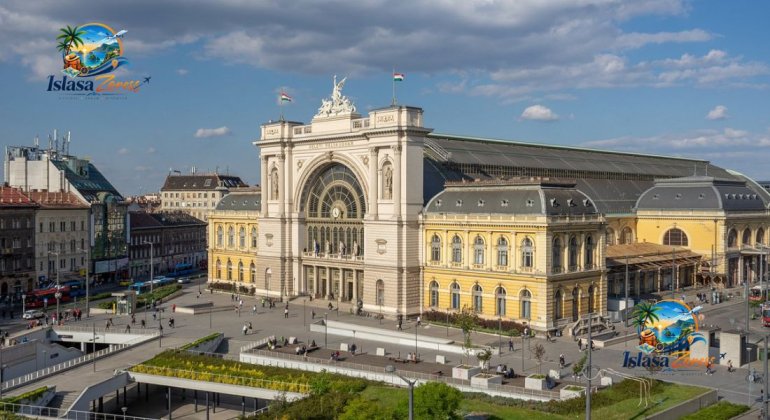
Budapest is generally safe and easy to explore. Use normal big-city precautions: watch your bag on crowded trams and at Keleti station, use official taxis or ride apps at night, and be wary of over-friendly strangers inviting you to bars (a known tourist scam). Tap water is safe to drink nationwide.
Traveling Hungary alone? Budapest is one of Europe’s friendlier cities for solo travelers, with walkable neighborhoods and a big hostel and cafe culture. See our guide to safe and epic solo female travel destinations for more solo travel tips.
FAQs About 15 Days in Hungary
Is 15 days enough to see Hungary?
Yes. Fifteen days covers Budapest in depth plus 5-6 day trips (Szentendre, Lake Balaton, Eger, Visegrad, Szekesfehervar, Pecs) without changing hotels. You will see far more than the typical 3-day Budapest visitor.
How many days should I spend in Budapest?
Plan 7-9 days in Budapest itself within a 15-day trip: 5-6 for the major sights and baths, plus a free day. The rest goes to day trips. Fewer than 5 days means skipping either the Buda sights or the baths, and both are worth it.
What is the best time to visit Hungary?
April-June and September-October offer the best balance of weather, prices, and crowds. October is especially good for thermal baths and fall colors. Summer is lively but hot and crowded; winter is cold but magical with Christmas markets.
Is Hungary expensive to visit?
No, by European standards Hungary is affordable. A mid-range traveler spends roughly 90-140 EUR per day. Food, transport, and accommodation cost noticeably less than in Paris, Rome, or Vienna.
What currency is used in Hungary?
The Hungarian forint (HUF). Hungary does not use the euro. Pay in forints whenever possible; euro payments in tourist areas come with poor exchange rates.
Do I need to speak Hungarian?
No. English is widely spoken in Budapest’s hotels, restaurants, and attractions. In smaller towns, basic English plus a translation app is enough.
Final Thoughts
Fifteen days in Hungary is slow travel at its best: one home base, deep dives instead of drive-bys, and enough unscheduled time for a second coffee by the Danube. Budapest rewards travelers who stay a while. Give it the time, and it will give you far more than a long weekend ever could.





One Comment