
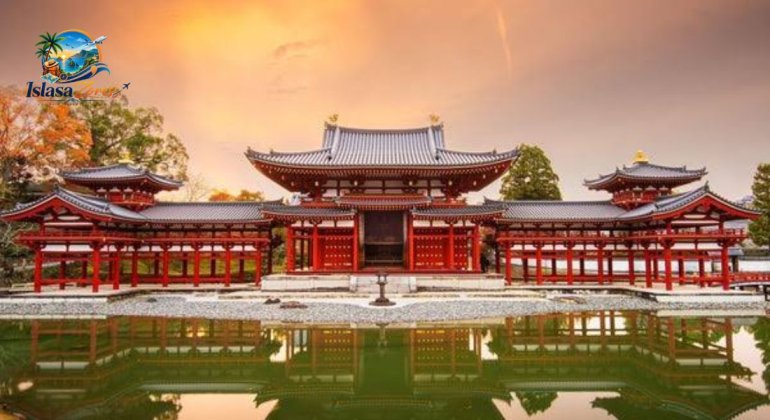
5 Must-Visit Temples and Shrines in Tokyo and Kyoto, Japan
Japan is known for its beautiful temples, peaceful gardens, colorful gates, and deep spiritual traditions. If you only have time to visit Tokyo and Kyoto, you can still see some of the country’s most famous religious sites.
Tokyo and Kyoto offer a good mix of Buddhist temples and Shinto shrines. Here are five places worth adding to your Japan itinerary.
A Brief Introduction to Religion in Japan
Japan has two major religious traditions: Buddhism and Shinto. They have influenced Japanese culture, architecture, festivals, and everyday life for centuries.
You may also like to read this:15 Best Beaches on Milos Island, Greece
Religious Coexistence
Buddhist temples and Shinto shrines are different, although they can sometimes be found close to each other. A temple is associated with Buddhism, while a shrine is a place of Shinto worship.
When visiting these sites, you may notice peaceful gardens, statues, gates, incense, and traditional buildings. Each place has its own customs, history, and atmosphere.
Shintoism
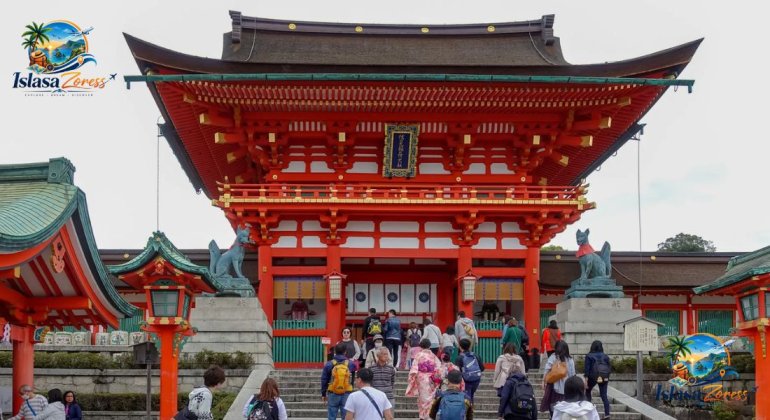
Shinto is Japan’s indigenous religious tradition. It centers on kami, or spirits associated with nature, places, and other aspects of life.
Shinto shrines often have torii gates at their entrances. Visitors traditionally pass through the gate, purify themselves, and then approach the main shrine building.
Senso-ji Temple, Tokyo
Senso-ji is one of Tokyo’s oldest and most famous Buddhist temples. Located in Asakusa, it is especially known for its large Kaminarimon Gate and the busy Nakamise shopping street leading toward the temple.
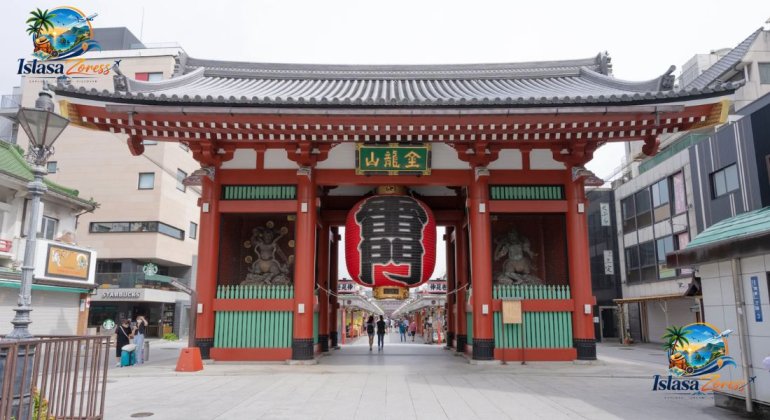
The temple is dedicated to Kannon; the Buddhist bodhisattva of compassion . According to local tradition, a statue of Kannon was found in the nearby Sumida River in 628. The discovery eventually led to the founding of Senso-ji.
Take some time to explore the temple grounds and surrounding streets. Nakamise Street is a good place to find traditional souvenirs, snacks, and Japanese treats.
For a quieter experience, visit early in the morning before the area becomes crowded.
Meiji Shrine, Tokyo
Meiji Shrine is one of Tokyo’s best-known Shinto shrines. It sits in a large forested area near Harajuku, creating a peaceful break from the busy city.
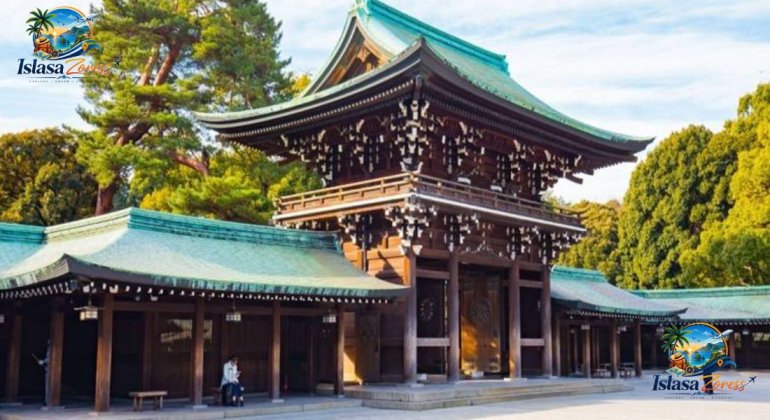
The shrine was dedicated to Emperor Meiji and Empress Shoken. Walking through the wooded paths toward the shrine is part of the experience.
You will see large torii gates, traditional shrine buildings, and sake barrels displayed along the path. Visitors can also observe traditional Shinto customs while respecting the quiet atmosphere.
Meiji Shrine is a good place to visit if you want to experience a different side of Tokyo.
Kinkaku-ji Temple, Kyoto
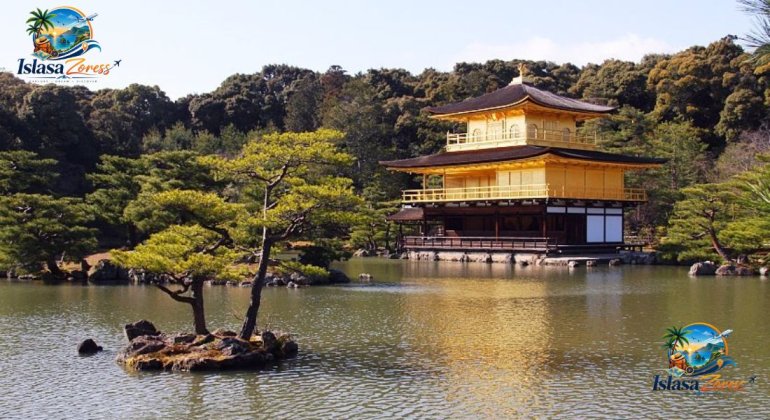
Kinkaku-ji, also known as the Golden Pavilion, is one of Kyoto’s most recognizable landmarks. The upper floors of the pavilion are covered in gold leaf, which gives the building its famous appearance.
The pavilion stands beside a pond and is surrounded by carefully designed gardens. On a calm day, its reflection in the water makes for one of the most memorable views in Kyoto.
The site was originally built as a villa for shogun Ashikaga Yoshimitsu. After his death, it became a Zen Buddhist temple.
The current pavilion was completed in 1955 after the previous structure was destroyed by fire. Walk around the garden after seeing the main viewpoint to enjoy different views of the Golden Pavilion.
Read more:Exploring Ancient Sparta: History, Ruins & Top Sights
Fushimi Inari Taisha Shrine, Kyoto
Fushimi Inari Taisha is a famous Shinto shrine dedicated to Inari, a deity traditionally associated with rice, agriculture, and prosperity.
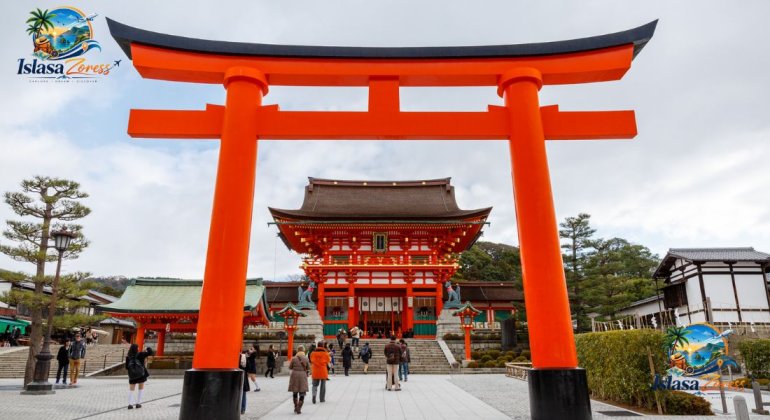
The shrine is best known for its thousands of vermilion torii gates, which create long paths through the forest of Mount Inari. Many of these gates were donated by individuals and businesses.
You will also see fox statues throughout the shrine grounds. Foxes are considered messengers of Inari.
You do not have to walk all the way to the top of the mountain to enjoy Fushimi Inari. The lower sections are already impressive, while continuing farther gives you a quieter experience away from the busiest areas.
Early morning is one of the best times to visit if you want fewer crowds.
Kiyomizu-dera Temple, Kyoto
Kiyomizu-dera is another must-see Buddhist temple in Kyoto. It is famous for its wooden stage, which offers beautiful views across the city and surrounding hills.
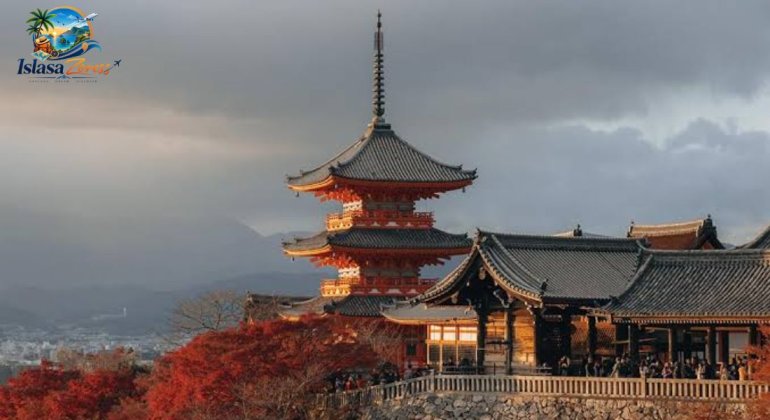
The temple dates back to 778, although many of its buildings have been rebuilt over the centuries. Its name means “Pure Water Temple,” referring to the Otowa Waterfall on the temple grounds.
The temple complex includes several interesting buildings, viewpoints, and walking paths. The streets around Kiyomizu-dera are also worth exploring, with traditional shops, cafés, and places to try local sweets.
Try to arrive early if you want to enjoy the temple before the busiest part of the day.
Conclusion
If your Japan trip only includes Tokyo and Kyoto, these five places give you a good introduction to the country’s Buddhist temples and Shinto shrines.
From the historic atmosphere of Senso-ji and Kiyomizu-dera to the Golden Pavilion and the famous torii gates of Fushimi Inari, each place offers something different. Adding Meiji Shrine also gives you a chance to experience one of Tokyo’s peaceful Shinto sites.
You do not need to visit dozens of religious sites to appreciate Japan’s culture. Choosing a few memorable places and taking time to explore them can make your trip much more enjoyable.
Frequently Asked Questions
What are the most popular temples and shrines in Tokyo and Kyoto?
Senso-ji, Meiji Shrine, Kinkaku-ji, Fushimi Inari Taisha, and Kiyomizu-dera are five popular religious sites to visit in Tokyo and Kyoto.
Is Fushimi Inari a temple or a shrine?
Fushimi Inari Taisha is a Shinto shrine. It is famous for its thousands of vermilion torii gates on Mount Inari.
What is the most famous temple in Kyoto?
Kinkaku-ji, also called the Golden Pavilion, is one of Kyoto’s most famous temples and is known for its gold-covered exterior.
What is the oldest temple in Tokyo?
Senso-ji in Asakusa is generally considered Tokyo’s oldest Buddhist temple, with a history dating back to 628.
What is the best time to visit Japanese temples and shrines?
Early morning is usually a good time to visit popular sites because they tend to be quieter and cooler than during the busiest hours.