

Exploring Ancient Sparta: History, Ruins & Top Sights
Ancient Sparta is one of the most famous cities in Greek history. Known for its powerful warriors, strict military culture, and legendary King Leonidas, Sparta has a fascinating past that still attracts travelers today. The ancient site may not be as large as some of Greece’s better-known ruins, but its peaceful setting, scattered remains, and historic landmarks make it an interesting place to explore.
Located in the Peloponnese, Ancient Sparta offers a chance to walk through the remains of an important ancient city. From the Acropolis and Roman Stoa to the Theatre, Agora, and Sanctuary of Athena Chalkiokos, there are several sites to discover.
Location
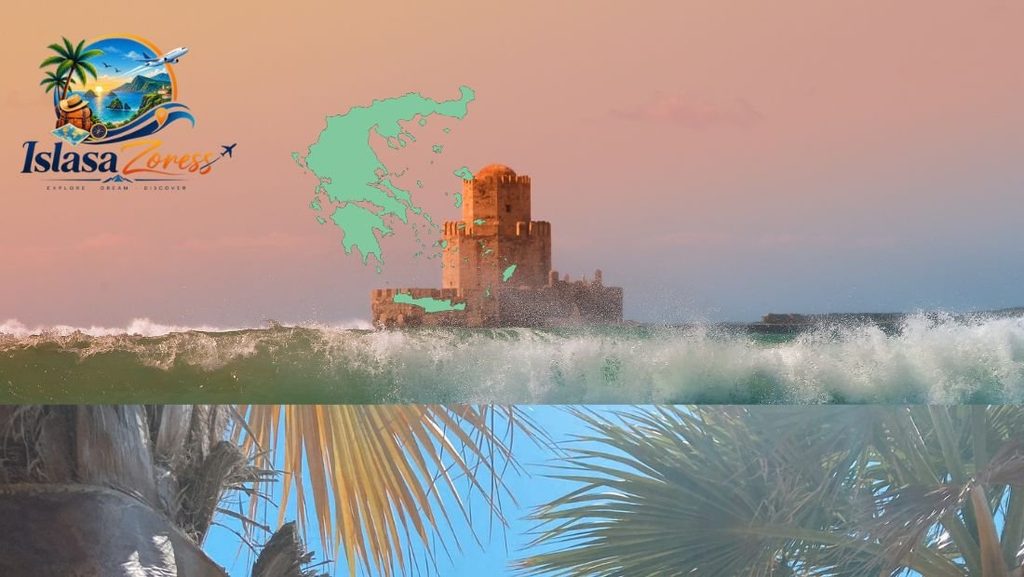
Ancient Sparta is located in the Peloponnese region of Greece, southwest of Nafplio and Athens. From Athens International Airport, it takes about 2.5 to 3 hours by car to reach Sparta.
Ancient Sparta
The name Sparta brings to mind fearless warriors, bronze armor, red cloaks, and a strict military way of life. However, walking through the remains of Ancient Sparta feels surprisingly peaceful. The site is not as large or developed as some other Greek ruins, but the setting gives it a special atmosphere. Broken columns rise among the trees, sometimes blending so naturally into the landscape that they can look like tree stumps at first glance.
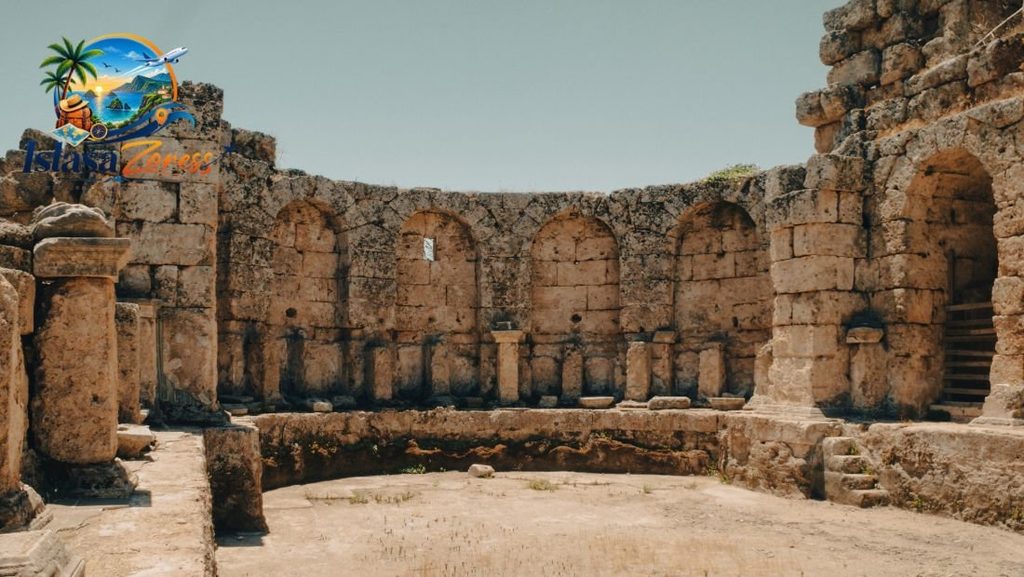
The Acropolis was the government and religious center of Sparta from the 8th century BC until the Roman conquest of Sparta and Greece. Later, during Roman and Byzantine times, the area was used more for public meetings and social activities.
Ancient Sparta is easy to explore on foot. The Acropolis trail forms a loop, bringing you back to where you started, and signs along the route explain the ruins and their history. A self-guided visit can take around half an hour.
History of Ancient Sparta
Archaeological studies trace Sparta back to the 9th century BC, although the city did not become a major power until the 6th century BC. By around 650 BC, Sparta had become the dominant military force in the Peloponnese. Its power continued until 371 BC, when Sparta was defeated by Thebes at the Battle of Leuctra. Sparta remained independent until the Roman conquest in 146 BC.
Sparta was governed by two kings who shared equal power, with the position passed down through heredity. Military excellence shaped almost every part of Spartan society. Boys began serious military training at the age of seven, learning physical strength, survival skills, obedience, loyalty, self-discipline, and combat skills.
Spartan girls and women had more freedom than many women in the ancient world. Girls received an education, took part in sports, moved freely around the city, owned property, and could conduct business transactions.
The Roman Stoa
The Roman Stoa was the first major site encountered while exploring Ancient Sparta. Built around 125–150 AD, it stood at the southern end of the Agora, or public space. During the Roman period, the stoa connected the Acropolis and the Agora with the residential area farther south.
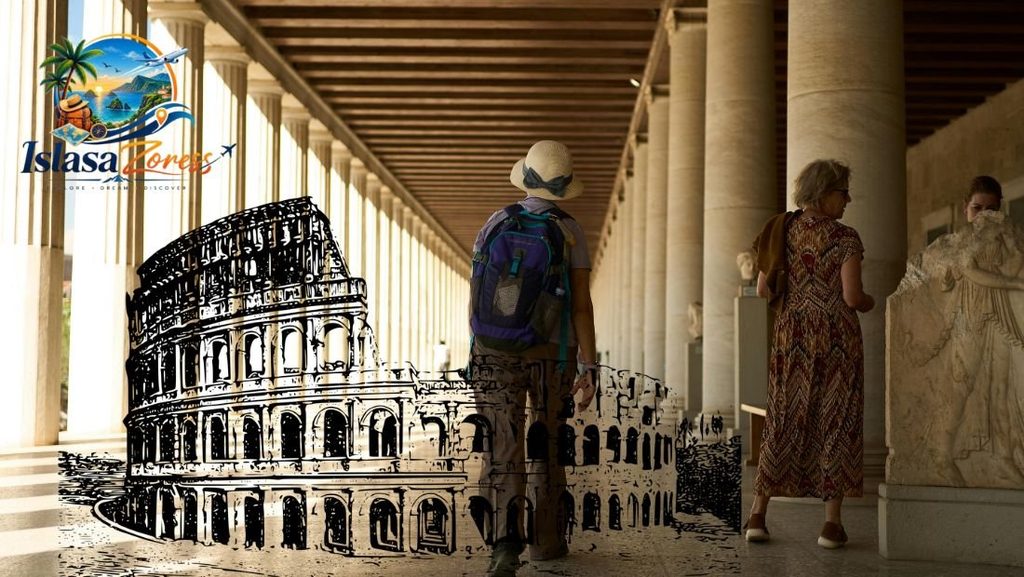
The structure once featured a covered walkway with grand arches and a Doric colonnade. It was also a public space where people could meet and socialize, with businesses and shops likely operating in the area.
The Round Building
The Round Building sits on a small hill and follows the natural slope of the land. Built from heavy rocks, it has three large steps leading to a flat platform. Different structures were built on this platform over the centuries.
The building dates from the 7th to 5th centuries BC and has features of a tholos. A central hearth suggests that the site was used for rituals and religious gatherings. There is also evidence of a monument on the northwest side of the mound, possibly connected with statues of gods or a ruler.
Ruins of a Byzantine church can also be found along the western edge of the retaining wall.
St Nikon’s Basilica
St Nikon’s Basilica is a three-aisled basilica with three apses. Columns once separated the different aisles, while the central apse had a semicircular seating area for the bishop and priests during ceremonies.
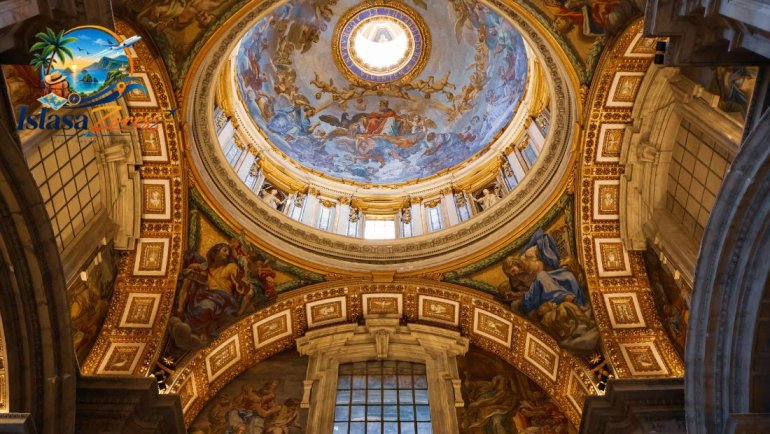
Archaeologists have also found an altar and a table used for offerings. The basilica dates to the 6th and 7th centuries AD, showing that the area remained important long after the height of ancient Sparta.
Sanctuary of Athena Chalkiokos
The Sanctuary of Athena Chalkiokos is the oldest sanctuary on the Acropolis. Archaeological finds from the site have been traced back to the Mycenaean period, while the temple and cult of Athena here date to the 8th century BC.
The temple once had bronze plaques showing mythological scenes on its interior walls, along with a bronze statue of the goddess Athena. The name Athena Chalkiokos refers to Athena and the idea of a bronze house.
The sanctuary was connected to both the military and public life of Ancient Sparta. Warriors gathered here, and the site was also associated with athletic achievements. Memorials were built to remember military victories and honor winners of different events.
The Niched Building
The Niched Building is a large rectangular structure with two smaller buildings on either side. Each smaller room has a semicircular niche. The building went through several changes over the years.
Archaeologists found two built-in storage containers from the Byzantine period, along with a cistern. The building was most likely constructed around the 4th century AD. Its location next to St. Nikon’s Basilica suggests there may have been a connection between the two structures.
The Theatre of Ancient Sparta
The path to the Theatre of Ancient Sparta was blocked during the visit because of restoration work. Like many Greek theatres, it was built into the hillside and offers impressive views.
Although ancient writings mention a theatre in Sparta as early as the 5th century BC, the existing theatre was built around 20–30 BC. It was made from local marble and was quite large. The lower section had 10 staircases and nine seating levels, while the upper section had 17 staircases and 16 seating levels. The theatre could hold up to 17,000 spectators.
The Way Back
After exploring the main areas, the path on the other side led back toward the starting point. It was a pleasant walk through the ruins and trees, with ancient remains sitting naturally in the landscape.
The Acropolis trail forms a loop, so you can continue along the path and return to where you began. You can also turn around and retrace your steps if you prefer.
The Agora
The Agora is located near the Round Building and was once a two-story structure. It was most likely built during the 4th or 3rd century BC.
The Agora served as the marketplace of Ancient Sparta. People could come here to buy groceries, supplies, and other everyday necessities. It was also a place where people could meet and socialize.
Statue of King Leonidas
The statue of King Leonidas represents the famous Spartan warrior and king. Leonidas is remembered for his bravery and his stand against the Persians.
His story has made him one of the most recognizable figures associated with Ancient Sparta and a favorite hero for many visitors interested in Spartan history.
Tomb of Leonidas
The Tomb of Leonidas was found while walking around the main square in modern Sparta. It stood behind a fence without a clear marker, so its identity was not immediately obvious.
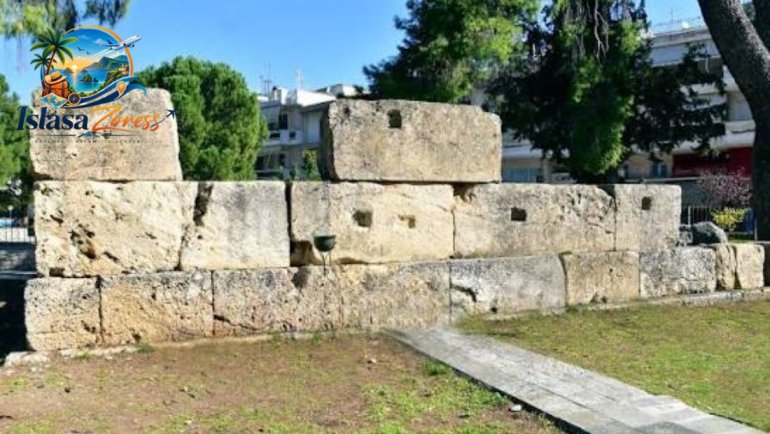
According to the research described in the original account, the remains are identified as the Tomb of Leonidas and were once associated with the ancient temple of Karneios Apollo. The site is traditionally connected with the remains of the great Spartan warrior and king, Leonidas.
Is Ancient Sparta Worth Visiting?
Yes, Ancient Sparta is worth visiting if you enjoy history and archaeological sites. The ruins are not as large or heavily rebuilt as some other Greek sites, but that is part of their appeal.
You can walk through the Acropolis and see ancient remains surrounded by trees, giving the site a peaceful atmosphere.
How Long Does It Take to Explore Ancient Sparta?
Ancient Sparta is a relatively small and walkable archaeological site. A self-guided visit can take around 30 minutes, although you may want more time to explore the ruins, read the signs, and take photographs.
Ancient Sparta Through Different Periods
The ruins at Ancient Sparta reflect more than one period of history. The site includes remains from ancient Greek times as well as Roman and Byzantine periods.
The Roman Stoa was built around 125–150 AD, while St. Nikon’s Basilica dates to the 6th and 7th centuries AD. Byzantine remains can also be found near the Round Building.
Ancient Sparta Beyond the Archaeological Site
The history of Sparta can also be seen in modern Sparta. The Tomb of Leonidas can be found near the main square, while the statue of King Leonidas is another reminder of the famous Spartan warrior and king.
After exploring the ruins, you can spend some time in modern Sparta and enjoy a coffee or traditional Greek snack.
You may also like to read: 20 Best Day Trips from Boston in Under 3 Hours
What Is Ancient Sparta Known For?
Ancient Sparta is best known for its powerful military culture and highly disciplined society. Military excellence was a central part of Spartan life, and boys began serious training from the age of seven.
Sparta was also known for its two-king system and for giving women more freedom than many other societies of the ancient world. Spartan girls could receive an education, take part in sports, own property, and conduct business transactions.
The city’s history also remains closely connected with famous figures such as King Leonidas, whose bravery and stand against the Persians helped make Sparta one of the most recognizable names in ancient Greek history.
What Makes Ancient Sparta Different From Other Greek Ruins?
Ancient Sparta feels different from many other archaeological sites because the ruins remain closely connected with the natural landscape. Visitors walk among broken columns, stone remains, and trees rather than through a large collection of heavily restored structures.
The peaceful atmosphere is also striking considering Sparta’s reputation as a powerful military society. The mix of ancient Greek, Roman, and Byzantine remains adds another layer to the experience.
What Is It Like to Visit Ancient Sparta?
Visiting Ancient Sparta is a simple experience because the archaeological site is walkable and the Acropolis trail forms a loop. Clearly marked signs help explain what you are seeing, so you can explore the ruins at your own pace.
The trees provide shade along parts of the site, which can make the walk more comfortable. During the visit described in the original account, the weather was very hot, but the shaded areas helped make the experience more enjoyable.
Conclusion
Ancient Sparta is worth visiting for its history, peaceful setting, and fascinating ruins. The site may be smaller than some of Greece’s famous archaeological sites, but walking among the ancient remains and trees gives it a special atmosphere.
From the Acropolis and Sanctuary of Athena Chalkiokos to the Roman Stoa, Agora, Basilica, and Theatre, each area offers a glimpse into Sparta’s long history. If you are exploring the Peloponnese, Ancient Sparta is a memorable stop for anyone interested in Greek history and ancient ruins.
Frequently Asked Questions About Ancient Sparta
Is Ancient Sparta worth visiting?
Yes. Ancient Sparta is worth visiting for its historic ruins, peaceful setting, and unique atmosphere.
How long does it take to visit Ancient Sparta?
A self-guided visit can take about 30 minutes, although you may stay longer to explore and take photos.
What can you see at Ancient Sparta?
You can see the Acropolis, Roman Stoa, Round Building, St. Nikon’s Basilica, Sanctuary of Athena Chalkiokos, Theatre, and Agora.
How far is Ancient Sparta from Athens?
Ancient Sparta is about a 2.5- to 3-hour drive from Athens International Airport.
What was the Acropolis used for?
The Acropolis was the government and religious center of Ancient Sparta.
How many people could the Theatre of Ancient Sparta hold?
The theatre could hold up to 17,000 spectators.