

Things to Do in New York City: A Complete Guide for First-Time Visitors
New York’s must-dos: Central Park, Brooklyn Bridge, Statue of Liberty, 9/11 Memorial, Grand Central Terminal, Times Square, and top museums (Met, American Museum of Natural History, MoMA). Best time to visit is September-October or April-May for perfect weather and moderate crowds. Stay in Midtown for convenience, Greenwich Village for atmosphere, or Upper West Side for calm vibes and museum access.
Book museums with timed tickets to skip lines, visit attractions early morning or late afternoon, and remember tipping is 18-20% everywhere—it’s expected culture in New York.
This guide covers what you actually need to see, where to stay, how to get around, and how to make the most of your budget and time.
Best Time to Visit New York
Timing affects crowds, weather, prices, and what’s actually open. Here’s how each season breaks down for travelers.
September Through October (Fall)
Clear skies, temperatures between 55 and 65 degrees Fahrenheit, and moderate humidity make walking the city enjoyable. Crowds return after summer, but you’re not fighting peak-season volume. Central Park’s foliage peaks in late October if you time it right. Broadway ticket prices start climbing mid-September.
Book hotels 4-6 weeks ahead. This is the optimal window for most travelers.
April Through May (Spring)
Similar weather to fall (50-65 degrees Fahrenheit). Cherry blossoms appear in early May. Central Park explodes with green after winter. Crowds are lighter than fall, and prices are lower. Rain is more common than fall, so pack accordingly.
This is actually underrated for first-timers. Fewer tourists than September but better weather than winter.
June Through August (Summer)
Heat and humidity dominate (75-85 degrees Fahrenheit). Locals escape on weekends. Prices drop because tourists avoid the heat. Summer offers free outdoor movies in parks, rooftop concerts, street fairs in DUMBO, and outdoor dining everywhere.
Budget travelers benefit most. Bring cooling strategies (parks, museums, air-conditioned transit).
November Through February (Winter)
Cold temperatures (30-45 degrees Fahrenheit), possible snow, and the shortest daylight hours. Holiday markets run November through December. Rockefeller Center’s ice rink opens early November. Hotel rates plummet. The Macy’s Thanksgiving Day Parade happens Thanksgiving morning.
January and February see the lowest prices but fewest attractions open late. December is magical for a holiday atmosphere but extremely crowded.
Budget Breakdown by Trip Length
How much money you need depends on what you do, where you eat, and how many paid attractions you visit. Here’s a realistic breakdown for mid-range travelers (comfortable but not luxury).
| Duration | Total Budget | Daily Breakdown | What’s Included | Notes |
| 1 Day | 80-120 USD | 80-120 USD | 2-3 free attractions, 1 meal, subway pass | Early start, prioritize |
| 2 Days | 180-280 USD | 90-140 USD | 4-5 attractions (mix free/paid), meals, metro pass | Walk between sites when possible |
| 3 Days | 400-600 USD | 130-200 USD | Major landmarks, 1-2 museums, dining variety | Go City Pass worth evaluating |
| 5 Days | 800-1200 USD | 160-240 USD | Full attractions, museums, restaurants, metro pass | Go City Pass recommended |
Breakdown of typical daily costs:
- Subway ride or day pass: $2.90 per ride or $33 for 7-day pass
- Museum entry: $20-35 per person
- Observatory tickets: $30-40 per person
- Casual meal: $12-18
- Good restaurant dinner: $25-40
- Broadway show: $50-200 depending on seat
- Coffee: $3-5
- Bagel or deli lunch: $8-12
The biggest variable is attractions. Free museums on specific days (like NYC residents’ pay-what-you-wish hours) save substantially.
Where to Stay: Neighborhoods Explained
Choosing the right neighborhood affects how much you walk, what’s nearby, and your hotel costs. Here’s what matters about each area.
Midtown
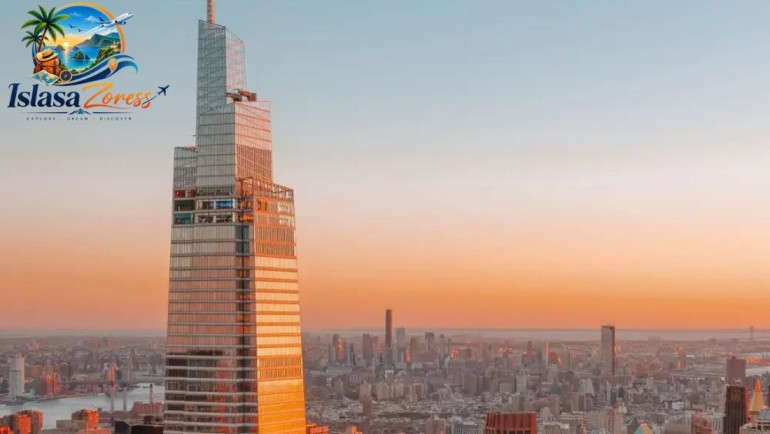
Best for first-timers who want everything walkable. Midtown puts you close to Grand Central Terminal, Times Square, Central Park, and most observatories. Hotel availability is highest here, but so are prices.
Trade-off: Midtown is the most touristy. It’s convenient but less authentic than other neighborhoods.
Stay here if: This is your first visit and you want everything within reach.
Greenwich Village and Chelsea
Walkable, photogenic, full of independent bookstores, galleries, and cafes. The High Line runs through Chelsea. Greenwich Village has Washington Square Park and an authentic village atmosphere.
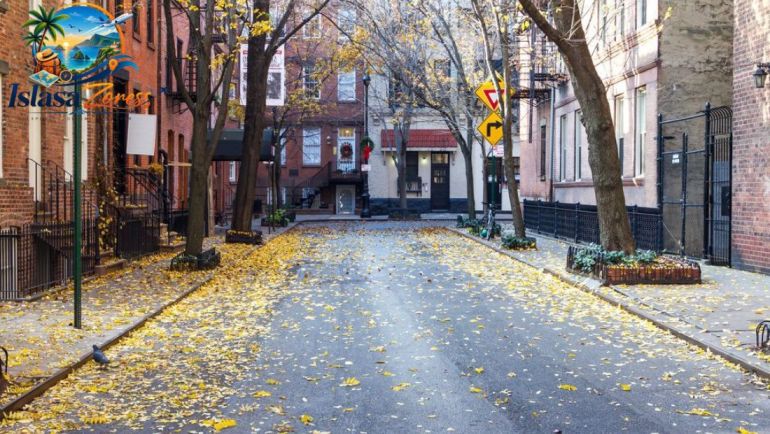
Trade-off: Fewer hotels. Prices moderate to high. Quieter than Midtown.
Stay here if: You want a neighborhood atmosphere and don’t mind walking a bit.
Upper West Side
Residential feel but still central. Close to Central Park’s west side, American Museum of Natural History, and Lincoln Center. Good value for hotels. Quieter than Midtown.
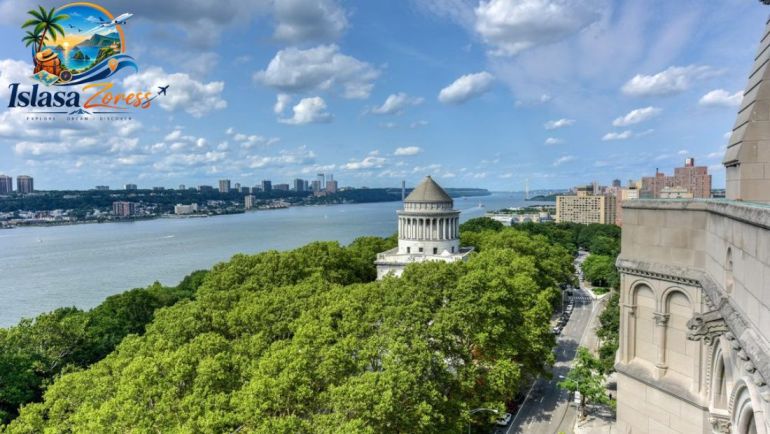
Trade-off: Fewer immediate restaurants and nightlife compared to Downtown.
Stay here if: You want relative calm, plan to visit museums, prefer quieter evenings.
Lower Manhattan (Financial District)
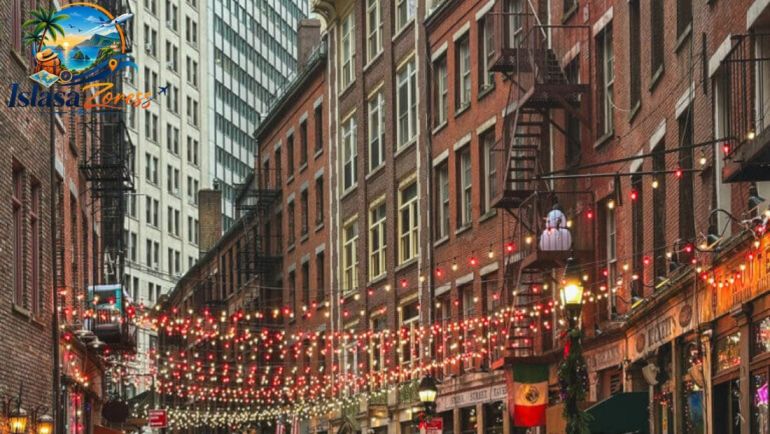
Close to the 9/11 Memorial and Museum, Wall Street, historic sites, and Staten Island Ferry. Hotels are filling this area as it redevelops. Good value compared to Midtown.
Trade-off: Quieter in evenings. Fewer casual restaurants and bars.
Stay here if: You want lower prices and plan to visit downtown attractions.
Williamsburg, Brooklyn
Trendy, expensive, full of young travelers and nightlife. East River views. Authentic shopping and dining.
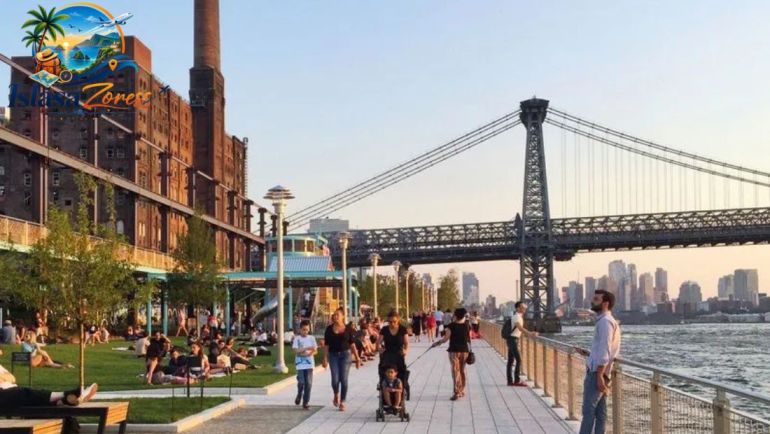
Trade-off: Airbnb largely banned in New York as of 2024. Hotels in Brooklyn are boutique and pricey. Requires subway rides to Manhattan (average 15-20 minutes).
Stay here if: You’re willing to pay more for neighborhood vibes and don’t mind transit time.
Getting to New York
From JFK Airport
The flat taxi rate to Manhattan is $70 plus tolls and tip (total around $85-95). The ride takes 45-60 minutes depending on traffic. Use an official yellow cab with the meter running or a licensed taxi app.
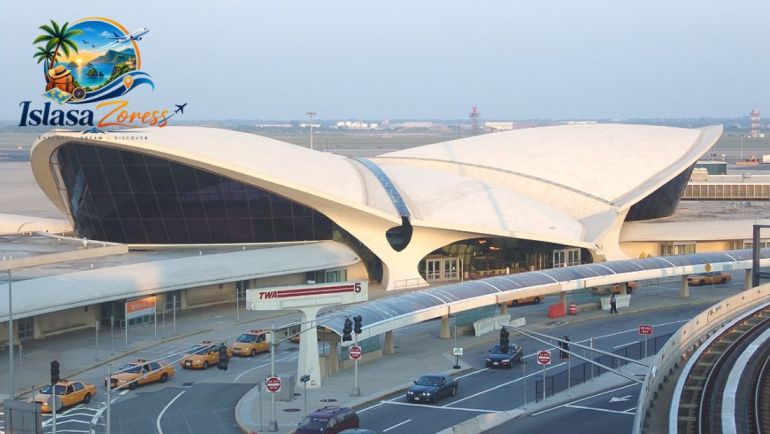
Alternatively, take the AirTrain to Jamaica Station, then the subway into Manhattan ($7.75 total). This takes 45-60 minutes and works fine if you don’t have heavy luggage.
From Newark Airport
The NJ Transit train from Newark to Penn Station (33rd Street and 8th Avenue) costs $15, takes 25 minutes, and avoids Manhattan taxi traffic. Book tickets via the NJ Transit app before arrival.
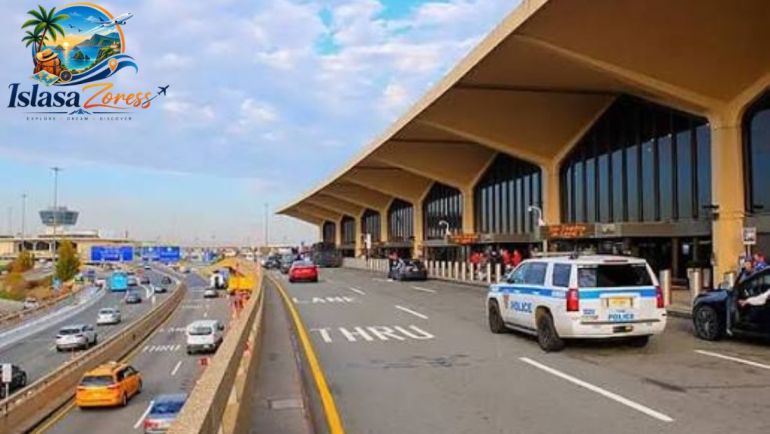
Taxis from Newark to Manhattan exist but involve sitting in New Jersey traffic. Train is faster and cheaper.
From LaGuardia Airport

The free Q70 Limited bus runs 24 hours from LaGuardia to Jamaica Station. Connect there to the subway or train. Alternatively, a taxi or Uber to Manhattan costs $25-40 depending on traffic.
Getting Around New York
The Subway
The subway moves millions daily. It’s the fastest way between distant neighborhoods. A 7-day pass costs $33. Individual rides are $2.90. Use contactless payment on your phone or buy a MetroCard at any station.
The system is vast and confusing if you’ve never used it. Apps like Google Maps or Citymapper show real-time trains and directions. Study your route before boarding.
Avoid subways late at night (after 11 PM) if traveling alone. Stick to well-lit central stations and don’t flash valuables.
Taxis and Rideshare
Yellow cabs charge by meter: $2.50 base plus $2.50 per mile. Rideshare apps (Uber, Lyft) charge surge pricing during peak hours (8-9 AM, 5-7 PM, evening rush). Both cost more than subway but faster for specific routes with luggage.
Take a taxi late at night instead of the subway if you’re alone. It’s safer and not much more expensive.
Walking
Manhattan is densely packed. Walking between nearby attractions is faster than waiting for transit. One mile walk takes about 20 minutes on flat streets. Bring comfortable shoes.
The Must-Do Attractions
These ten attractions deliver genuine value and deserve your time. Skip them and you’ll regret it. Do all of them and you’ve had an authentic New York experience.
Central Park
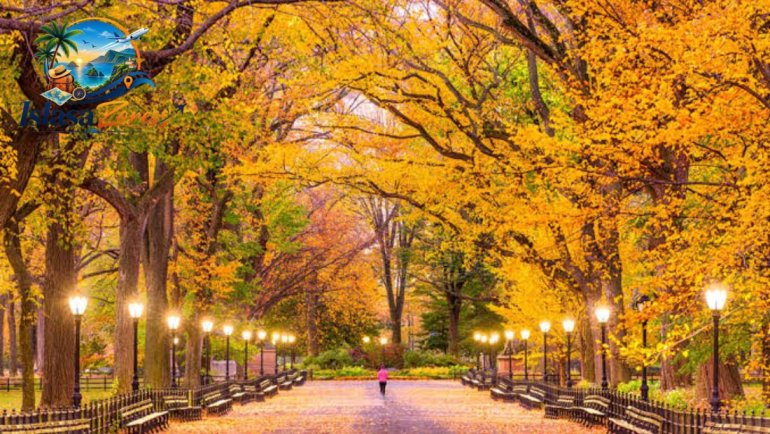
What it is: An 843-acre green space surrounded by skyscrapers. Parks, trails, a lake, a castle, fountains, and open space.
Why visit: It’s free, iconic, and works for walking, picnicking, or sitting. Dogs run off-leash from 6-9 AM (hundreds of them). Bethesda Fountain and Bethesda Terrace have live musicians. Bow Bridge is famous for photos.
How long: 1.5 to 3 hours depending on what you explore.
Best time of day: Early morning (6-9 AM) is peaceful. Late afternoon (4-5 PM) is golden light for photos.
How to get there: Subway to 5th Avenue/59th Street (N, R, W trains) or 72nd Street (B, C trains).
What not to do: Don’t expect to cover the whole park in one visit. Don’t rely on pedicabs or tours. Just walk.
Brooklyn Bridge
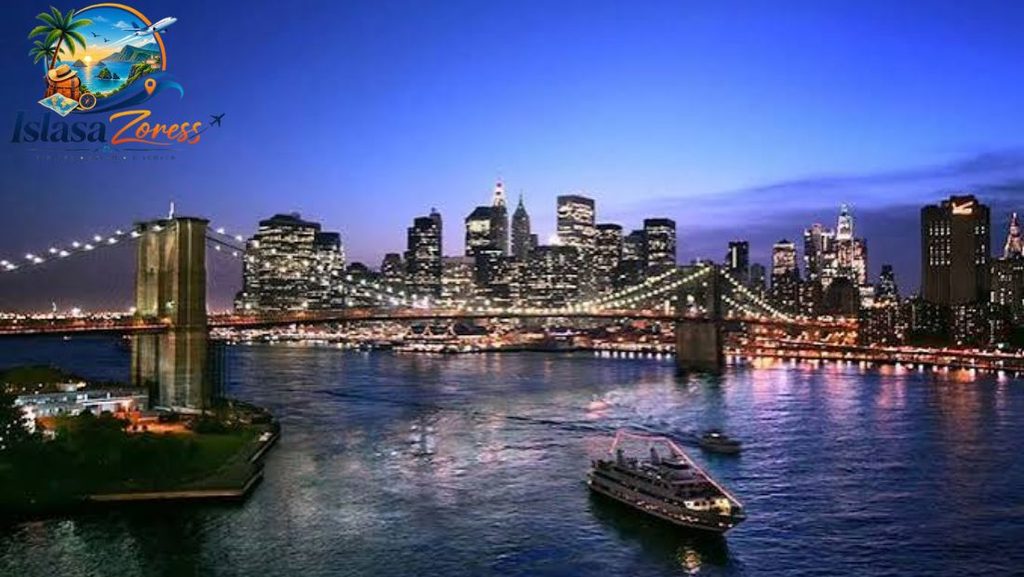
What it is: A 1.3-mile suspended bridge connecting Manhattan and Brooklyn, opened in 1883.
Why visit: Best views of the lower Manhattan skyline. The walk itself is the destination. Photos are spectacular.
How long: 45 minutes to cross, plus time to sit and absorb the view.
Best time of day: 7 AM (empty). Thirty minutes before sunset (golden light). Avoid 11 AM to 3 PM (peak tourist crowds and photo lines).
How to get there: Start at Pier 11 in DUMBO (subway: F train to High Street-Brooklyn Bridge). Walk toward Manhattan. The view improves as you approach.
What not to do: Don’t return the same way. Take the subway back from Brooklyn or explore DUMBO and Brooklyn Bridge Park before returning.
Times Square
What it is: The intersection of 42nd Street and Broadway with massive screens, billboards, and energy.
Why visit: First-time experience. It’s sensory overload. Love it or hate it, it’s New York.
How long: 15 to 30 minutes to feel it.
Best time of day: Late night (10 PM onward) is quieter and the neon looks better. Daytime is crowded.
How to get there: Every major subway line stops at 42nd Street/Port Authority.
What not to do: Don’t shop here. Everything is overpriced. Don’t linger. Experience it, then leave. Don’t expect quiet.
Statue of Liberty
What it is: A colossal copper statue on Liberty Island gifted by France in 1884.
Why visit: It’s iconic. You can see it up close or even climb to the crown.
How long: 3 to 4 hours including ferry time.
Tickets: Ferry required. General admission ($24) gets you on the island and into the pedestal. Crown access ($27 extra) requires tickets purchased months in advance. Book online at nps.gov/stli before arriving.
Best time: Early morning (8 or 9 AM) before crowds arrive.
How to get there: Ferry from Battery Park at the southern tip of Manhattan. Subway to Bowling Green (4, 5 trains).
Bonus: Ellis Island is nearby and included on the ferry route. Over 12 million immigrants passed through between 1892 and 1954.
9/11 Memorial and Museum
What it is: Two reflecting pools set where the Twin Towers stood. Names of all victims are inscribed around the pool edges.
Why visit: It’s solemn and essential. The outside memorial is free. The museum costs $28-35.
How long: 1 to 2 hours at the memorial, 2 to 3 hours in the museum.
Special detail: On victims’ birthdays, white roses are placed beside their names.
How to get there: Subway to WTC Cortlandt (1, 2 trains) or World Trade Center (A, C trains).
Note for NYC residents: Free admission to the museum on the first Sunday of each month with advance reservation.
Grand Central Terminal
What it is: A major train station built in 1913 with an enormous main hall and celestial ceiling.
Why visit: The architecture is stunning. It’s a functioning station and partially a shopping destination.
How long: 30 to 60 minutes to walk through and admire.
Best time: Early morning or late evening when crowds thin.
How to get there: Subway to 42nd Street-Grand Central (4, 5, 6, 7, S trains).
Free secret: The Whispering Gallery in the lower level. Stand in opposite corners and whisper. Sound carries perfectly.
The High Line
What it is: A 2.4-kilometer elevated park built on abandoned railroad tracks in Chelsea.
Why visit: It’s free, beautiful, and unique. Walking the length feels like floating above the city.
How long: 30 to 45 minutes to walk the full length.
Hours: April-November 7 AM to 10 PM. December-March 7 AM to 8 PM.
How to get there: Subway to 14th Street/8th Avenue (A, C, E trains). Walk west to find the entrance.
What not to do: Don’t rush. The point is to stroll slowly.
American Museum of Natural History
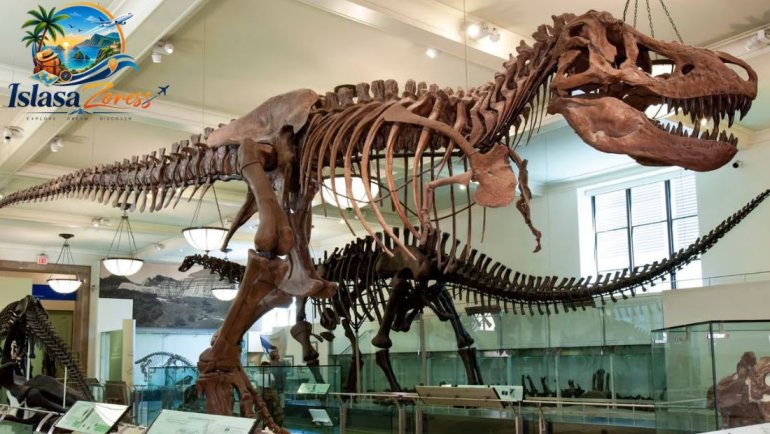
What it is: A massive museum with dinosaur fossils, gemstones, ocean life, and a planetarium.
Why visit: It’s world-class. The dinosaur halls are incredible. Kids love it, but adults do too.
How long: 3 to 5 hours depending on what you see.
Cost: $28-35 (suggested, not required for New York residents; all visitors can pay what they wish though standard price is expected).
How to get there: Subway to 79th Street (B, C trains).
Hack: Visit Friday evening (5-8 PM). Fewer children. More adults and fewer weekend crowds.
Metropolitan Museum of Art
What it is: The fourth-largest art museum in the world. Egyptian artifacts, paintings by masters, armor, sculptures, and decorative arts spanning 5000 years.
Why visit: The Egyptian wing is exceptional. You’ll see Monet, Vermeer, and Van Gogh. It’s world-class.
How long: 3 to 6 hours depending on focus.
Cost: $28-35 (suggested; pay-what-you-wish accepted).
How to get there: Subway to 86th Street (4, 5 trains) or 5th Avenue/83rd Street (6 train).
Hack: Friday evening (4-9 PM) is less crowded than daytime.
One World Observatory
What it is: The tallest building in the United States. Observation deck on floors 100-102 with 360-degree views.
Why visit: Seeing the city from above provides perspective. The Freedom Tower (as some still call it) is the architectural centerpiece of Manhattan’s remaking.
How long: 1.5 to 2 hours.
Cost: $35-45 depending on timing.
How to get there: Subway to WTC Cortlandt (1, 2 trains).
Best time: Sunset provides golden light and then the city lights up. Arrive 30 minutes before sunset.
Top of the Rock (Rockefeller Center)
What it is: Observation deck on the 70th floor of Rockefeller Center.
Why visit: Best unobstructed 360-degree views of the Manhattan skyline. You can see the Empire State Building directly.
How long: 1.5 to 2 hours.
Cost: $38-43.
How to get there: Subway to 47-50 Streets-Rockefeller Center (B, D, F, M trains).
Hack: Book timed tickets online in advance. No queues. If it’s cloudy when you arrive, you can rebook another time free.
Attractions by Interest
If You Love Museums
| Museum | Time | Crowds | Highlights | Cost | Best Visit Time |
| American Museum of Natural History | 3-5 hrs | High weekends | Dinosaurs, gems, planetarium | $28-35 | Friday 5-8 PM |
| The Met | 3-6 hrs | High daily | Egyptian wing, paintings, masters | $28-35 | Friday 4-9 PM |
| MoMA | 2-3 hrs | Very high | Starry Night, modern art | $25-29 | Morning, book timed ticket |
| Morgan Library | 1-2 hrs | Low | Rare books, opulent East Room | $22 | Anytime |
| New York Public Library | 1-2 hrs | Low | Architecture, exhibitions | Free | Anytime |
If You Love Parks and Walking
Central Park, The High Line, Washington Square Park, and Brooklyn Bridge Park offer green space and photo ops. All are free or very low-cost.
Central Park works for morning walks before the crowds. High Line suits afternoon strolls. Brooklyn Bridge Park offers sunset views.
If You Love Food
Food in New York is diverse and global. Specific neighborhoods dominate different cuisines.
Lower East Side: Delis, bagel shops, old-school Italian. Russ and Daughters (bagels and lox) has operated since 1917.
Chinatown: Authentic Chinese. Joe’s Shanghai serves soup dumplings. Dim sum carts roll through teahouses. Prices are low ($12-18 per meal).
Chelsea: Chelsea Market is a food hall with 50+ vendors. Mix-and-match without committing to one restaurant.
Upper West Side: Neighborhood restaurants. Levain Bakery makes famous chocolate chip cookies (huge, $5-6).
West Village: Trendy and expensive. Via Carota (Italian pasta) has lines forming at 11 AM for lunch. Budget $25-40 per person.
If You Love Photography
Best time of day: Golden hour (30 minutes after sunrise or before sunset) provides warm, directional light.
Best photo locations:
- Bow Bridge in Central Park (reflects in the lake)
- Brooklyn Bridge looking toward lower Manhattan skyline
- High Line at sunset with city backdrop
- Washington Square Park arch at night
- DUMBO corner of Washington and Water Streets (framed Manhattan Bridge between buildings)
- Oculus interior (white symmetrical architecture)
When: Fall (October) provides clear light. Winter brings dramatic skies. Spring blooms add color.
Photo hack: Midweek mornings (Tuesday-Thursday, 7-9 AM) minimize crowds at popular photo spots.
Practical Information
What to Pack by Season
Fall: Layers (sweater, light jacket), comfortable walking shoes, light scarf, sunglasses. Temperatures range 55-65 degrees Fahrenheit.
Spring: Layers (jacket, sweater), comfortable shoes, umbrella (rain is common), sunglasses.
Summer: Lightweight clothing, comfortable shoes, sunscreen, sunglasses, water bottle. Keep a light layer for air-conditioned buildings.
Winter: Warm coat, gloves, beanie, scarf, warm socks, waterproof boots if snow is likely. Temperatures drop to 30-45 degrees Fahrenheit.
Weather Realities
Cold is real in winter. Wind tunnels between tall buildings make it feel colder. Summer humidity is oppressive but museum air-conditioning helps.
Rain happens randomly. Subways get wet when there’s flooding. Walking is sometimes the fastest alternative when it rains.
Safety and Neighborhoods
Midtown, Downtown, Greenwich Village, and Brooklyn are safe for tourists. Avoid walking alone late at night in any unfamiliar area.
Keep valuables out of sight. Don’t flash phones or cameras. Pickpockets target tourists in crowded transit.
Subways after 11 PM are riskier for solo travelers. Take a taxi instead. Cost difference is minimal for peace of mind.
Crowds and Skipping Lines
Museum entry is slowest from 11 AM to 3 PM. Visit early morning or late afternoon.
Book timed tickets online before arriving. Most major museums offer this. It eliminates queues.
Weekday visits (Tuesday-Thursday) are quieter than weekends.
Tourist attractions have morning surges (9-11 AM). Go at opening time or after 3 PM.
Tips and Tipping Culture
Tipping is expected in New York. Standard amounts:
- Restaurant (sit-down): 18-20% of the bill
- Taxi or rideshare: 15-20%
- Bagel shop or cafe: $1-2 (optional but polite)
- Tour guide: 15-20% of tour cost
- Hotel valet: $2-5 per car
Failure to tip is considered rude.
Getting Around Efficiently
Use Google Maps or Citymapper for real-time transit directions. Both apps show subway arrivals, walking times, and alternative routes.
Plan routes before leaving your accommodation. Know station names and line colors.
Walk when the destination is under one mile away. Walking reveals the city.
Final Notes
New York rewards preparation and patience. Plan your major attractions but leave room for wandering. The best experiences often happen when you get lost in a neighborhood, find a cafe, and talk to locals.
Walk everywhere possible. The city reveals itself in details you miss from transit.
Don’t try to see everything. Choose your focus (museums, food, neighborhoods, photography) and explore deeply instead of rushing through a checklist.
Start early, wear good shoes, and bring water. The city is yours to discover.
Read more Travel Guides: 22 Best Solo Travel Destinations For Female On Their First Trip




The Whispering Gallery is exactly the kind of small surprise that can make a first visit memorable. I also appreciated the reminder to leave room for wandering, since a neighborhood café or an unplanned street can reveal more than another rushed stop.