
Acadia National Park Summer: Complete Guide (2026)
Acadia National Park in summer is the version of Maine most people dream about. Granite cliffs drop straight into the Atlantic, spruce forests smell like rain after a warm afternoon shower, and you can hike a mountain in the morning, eat lobster in town at lunch, and watch the sun sink over a harbor full of sailboats by evening. It is also the busiest version of Acadia, and that is the part most guides gloss over. This one will not.
Summer is when everything in the park is open: every road, every trail, every boat tour, every restaurant in Bar Harbor. It is also when parking lots fill before 10 in the morning and the most popular trails feel more like a queue than a hike. The good news is that none of that ruins the trip if you plan around it. Arrive early, use the free shuttle, and pick your hikes with honesty about your comfort level, and an Acadia National Park summer trip is as good as the postcards promise.
Acadia National Park Summer Weather: What to Expect
Summer in Acadia runs warm but rarely hot. Daytime highs are usually in the 70s Fahrenheit, with the occasional push into the 80s, and evenings cool off fast, especially near the water. That coastal chill is the thing first-timers underestimate. You will want a light jacket even in July, and a rain layer is not optional. Maine weather changes quickly, and a sunny morning can turn foggy by lunch, then clear again by dinner.
Fog deserves its own warning. It rolls in off the ocean, sits on the mountaintops, and can completely hide a sunrise you woke up at 4 in the morning for. Check the forecast the night before, but also accept that fog is part of coastal Maine. If Cadillac is socked in, go anyway for the atmosphere, or save the sunrise attempt for your second morning.
Best Things to Do Alone in Denver (2026 Solo Guide)
Bugs are the other seasonal reality. In June and early July, blackflies and mosquitoes can be fierce on wooded trails, especially near still water. Pack repellent and consider a head net if you are hiking in the early season. By August, the bugs ease off considerably, which is one more reason late summer is such a sweet spot.
Park Loop Road: The Drive That Ties It All Together
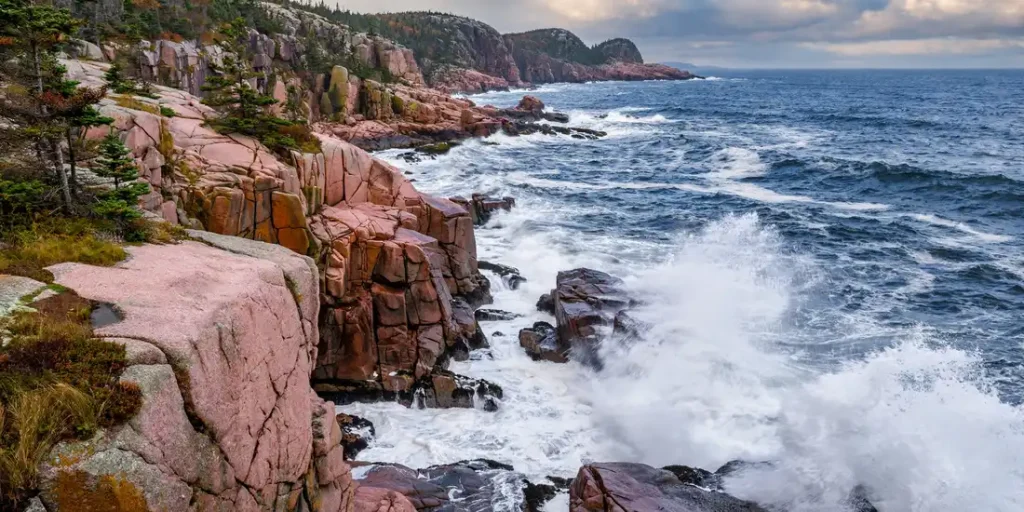
If you do only one thing in Acadia, drive the 27 mile Park Loop Road. It is a one-way scenic road for much of its length, and it strings together nearly every headline sight in the park: Sand Beach, Thunder Hole, Otter Point, Jordan Pond, and the road up Cadillac Mountain. Plan two to three hours if you stop properly, longer if you add a hike.
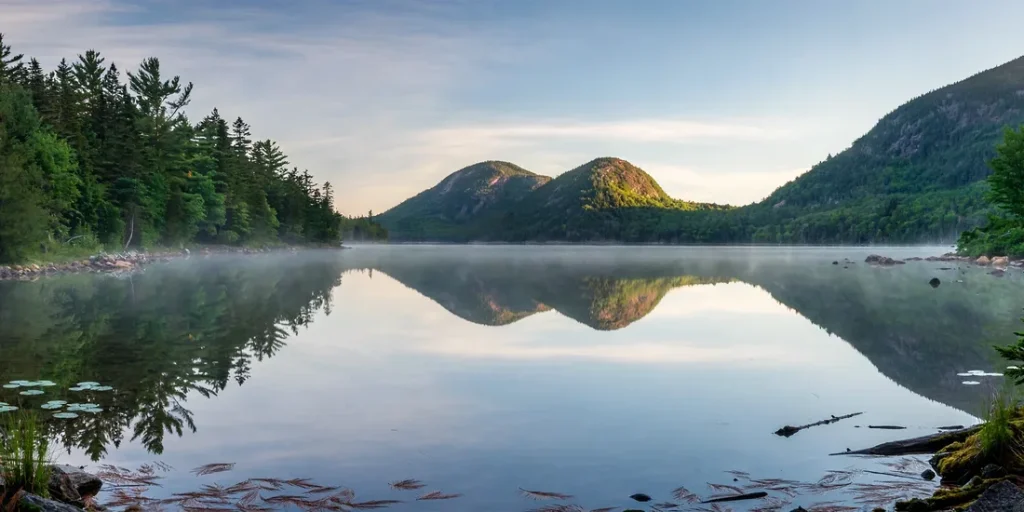
The smart way to drive it is early. Start at the Hulls Cove Visitor Center end, grab a park map, and go before the tour buses and the midday rush. The stops that matter most, in driving order, are Sand Beach for a first look at the coast, Thunder Hole for the crashing waves, Otter Point for quieter cliff views, and Jordan Pond for the classic view across the water to the Bubbles. The loop also gives you access to the Cadillac Summit Road, so you can fold a sunrise or sunset drive into the same outing.
One honest tip: the Park Loop Road is not a road to rush. The speed limits are low, the pullouts are small, and in July and August the traffic crawls at midday. Treat the drive as the activity, not as the way to the activity, and you will enjoy it far more.
Cadillac Mountain Sunrise: Worth the Alarm
Cadillac Mountain is the highest point on the North Atlantic seaboard, and sunrise from the summit is the most famous experience in the park. Here is the honest version. In summer, the sunrise is gorgeous, but the famous claim that Cadillac sees the first sunrise in the United States applies to the fall and winter months, not summer. Come for the light and the panorama, not for a record book entry, and you will not be disappointed.
The practical part matters more than the poetry. Driving to the summit in season requires a timed vehicle reservation, booked through recreation.gov, and sunrise reservations sell out. Book as early as you can, and have a backup morning in case fog steals the first attempt. If you hike or bike up instead, no vehicle reservation is needed, just your park pass.
Arrive well before sunrise, not at sunrise. The summit parking lot fills fast, and the best viewing spots along the granite go first. Bring a warm layer even in August. The summit is exposed, the wind is real, and the granite still holds the night chill at dawn. After the sun is up, stay a little longer. Most of the crowd leaves within minutes, and the light on Frenchman Bay only gets better.
Best Hikes in Acadia by Difficulty
Acadia has 158 miles of hiking trails, which sounds overwhelming until you sort them by what they actually ask of you. These are the ones worth your time on a first summer trip.
Easy: Jordan Pond Path, Ocean Path, and Shore Path
The Jordan Pond Path is a mostly flat loop around a deep, clear pond with the twin Bubbles mountains reflected in the water. It is about three miles, easy going, and the kind of walk that makes you slow down without trying. Stop at the Jordan Pond House afterward. The popovers there are a genuine Acadia tradition, and the lawn seating with a pond view is the best rest stop in the park.
Ocean Path runs from Sand Beach to Otter Point along the cliff tops, and it is the easiest way to see the wildest coastline in the park. Thunder Hole sits along this path. Time your visit for the middle of an incoming tide if you want the big crash and boom, and keep a respectful distance from the edge. The rocks are slippery and the waves are stronger than they look.
Over in Bar Harbor, the Shore Path is a gentle waterfront walk from downtown past grand old hotels and summer cottages. It is perfect for an evening stroll after dinner, when the day-trippers have gone.
Moderate: Gorham Mountain and Beehive
Gorham Mountain is the hike to pick if you only have time for one climb. It is a steady, rocky ascent with a payoff that feels far bigger than the effort: open granite ledges, views over Sand Beach and Thunder Hole, and Frenchman Bay spread out below. It is far less nerve-wracking than its famous neighbor, and families with sure-footed kids handle it well.
Beehive is the famous one, and it earns the fame. The trail climbs iron rungs and ladders bolted into the rock face, crosses narrow ledges, and tops out above Sand Beach. It is short, roughly a mile and a half as a loop if you come down the gentler back side, but it is exposed and genuinely scary if you are afraid of heights. Do not start it if you are unsure. There is no graceful way to turn around on the rung sections. Go early to avoid bottlenecks, because nothing spoils Beehive faster than a line of people waiting on a ladder.
Harder: Precipice and the Quiet Side
Precipice Trail is Acadia’s most serious hike: steep, exposed, with iron rungs and ladders on a cliff face, and it is not for beginners or anyone uneasy with heights. It is also closed at times during the summer while peregrine falcons nest on the cliffs, so check its status before you build a day around it. When it is open and you are ready for it, it is unforgettable.
If the east side crowds wear you down, head to the quiet side of Mount Desert Island. The western half of the park, around Southwest Harbor and Bass Harbor, has its own trails, a working fishing harbor, and the Bass Harbor Head Lighthouse, one of the most photographed spots in Maine. The light is best near sunset, and the parking lot is small, so arrive early there too.
Carriage Roads: Biking Without Cars
Acadia’s 45 miles of carriage roads are the park’s secret weapon, and they are the single best thing about an Acadia National Park summer trip for anyone who likes to bike. Built by John D. Rockefeller Jr. in the early 1900s, these wide, crushed-stone roads wind through forests, past ponds and stone bridges, and they are closed to cars. Horses have the right of way, and everyone shares politely.
You do not need to bring a bike. Rental shops in Bar Harbor rent by the day, and the most popular loop is the one around Eagle Lake, which is gentle, scenic, and easy to combine with a swim or a picnic. The carriage roads are also wonderful for walking and running if biking is not your thing. Start early for the same reason as everything else in summer: by midday, the most popular stretches get busy.
Sand Beach and Swimming: Cold Water Honesty
Sand Beach is the park’s only real sandy ocean beach, tucked into a cove between granite headlands, and it is beautiful. It is also cold. The Atlantic off Maine rarely warms up much even in August, so treat swimming here as a bracing plunge rather than a long float. Kids tend not to mind at all. Adults tend to wade in, gasp, and retreat to a towel with great dignity.
If you want warmer water, Echo Lake Beach on the west side of the island is the better bet. It is a freshwater lake beach, calmer and warmer, and far less crowded than Sand Beach. Either way, bring water shoes. The sand at Sand Beach is soft, but the rocky entries elsewhere are not.
Bar Harbor as Your Base
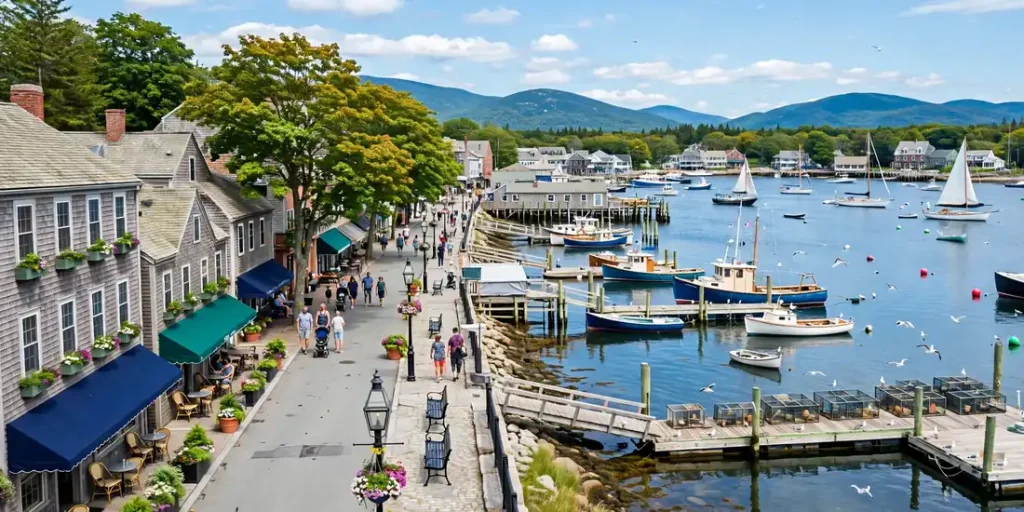
Most visitors base themselves in Bar Harbor, and for good reason. The town sits minutes from the park entrance, it is walkable, and it has the full range of places to stay, from campgrounds and inns to hotels and rental cottages. Book early for summer. The best places fill months ahead, and last-minute summer lodging in Bar Harbor is both scarce and expensive.
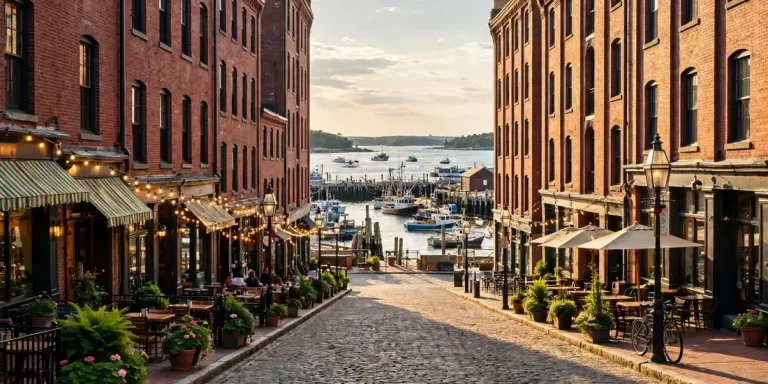
For food, Bar Harbor does seafood the way a Maine fishing town should: lobster rolls, chowder, and fried clams are everywhere, and the waterfront restaurants along the Shore Path are the classic post-hike reward. Agamont Park at the end of Main Street is the town’s front lawn, a good place to sit with an ice cream and watch the boats. If you have a rainy day, Bar Harbor’s shops, galleries, and museums fill it easily, and a whale-watching or puffin boat tour is worth considering if you want a day off the trails.
Campers have strong options too. The park’s own campgrounds and several private campgrounds around the island book up fast in summer, so reserve as early as the booking window allows. If you are camping, store food properly and expect cool nights even in July.
Beating the Crowds: Parking and the Island Explorer Shuttle
Here is the section that will save your trip. Acadia’s summer crowds are real, but they are also predictable, and predictable can be beaten.
First, start early. The popular trailheads and the Sand Beach parking area fill by mid-morning in July and August. If you are on the trail by 8 in the morning, you will have a different park than the people who arrive at noon.
Second, use the free Island Explorer shuttle. It runs from late June to mid-October, connecting Bar Harbor, the campgrounds, and major trailheads including Jordan Pond. It removes the parking problem entirely, and it lets you hike one-way routes without worrying about getting back to your car. Grab a route map at the visitor center or your hotel, because the system has several routes and the right one depends on your trailhead.
Third, go west or go late. The quiet side of the island and the Schoodic Peninsula, the park’s mainland section about an hour’s drive from Bar Harbor, see a fraction of the visitors. Schoodic has its own campground, rocky shoreline, and bike paths, and it feels like Acadia did decades ago. And if you are not a morning person, the park empties beautifully in the late afternoon. A sunset drive on Park Loop Road or an evening walk on Ocean Path is one of the best experiences in the park, with almost no one around.
A Simple 2-Day Acadia Summer Plan
Day one is the classic east side. Start with a Cadillac Mountain sunrise if you have the reservation, then drive Park Loop Road with stops at Sand Beach, Thunder Hole, and Otter Point. Hike Gorham Mountain in the late morning, have lunch at Jordan Pond House, and spend the afternoon on the carriage roads around Eagle Lake. Finish with dinner in Bar Harbor and a Shore Path stroll.
Day two is for choosing your own adventure. Hike Beehive early if you are up for it, or take the Jordan Pond Path at a lazy pace if you are not. Spend the afternoon at Echo Lake Beach or take the Island Explorer to the quiet side for Bass Harbor Head Light at sunset. If you have a third day, give it to Schoodic Peninsula or a boat tour from Bar Harbor. Both are worth a full day and both feel like a different trip entirely.
FAQs About Acadia National Park in Summer
Here are the answers to the questions travelers ask most about Acadia in summer.
How many days do you need in Acadia in summer?
Two days covers the highlights: Park Loop Road, one good hike, Cadillac sunrise, and Bar Harbor. Three days is better, because it gives you a buffer for fog, a slow morning, and the quiet side or Schoodic. If you only have one day, drive Park Loop Road, walk Ocean Path, and hike Gorham Mountain.
Do you need a vehicle reservation for Cadillac Mountain?
Yes, if you drive to the summit in season. You need a timed vehicle reservation in addition to your park pass, and sunrise slots sell out, so book early. If you hike or bike up, no vehicle reservation is required.
Is Acadia crowded in summer?
Yes, especially in July and August, and especially at Sand Beach, Jordan Pond, and Cadillac Mountain between late morning and mid-afternoon. Early starts, the Island Explorer shuttle, and the quiet side of the island are the three best ways around it.
Can you visit Acadia without a car?
Yes, with some planning. The free Island Explorer shuttle covers Bar Harbor and the main trailheads in season, Bar Harbor itself is walkable, and bikes are easy to rent. Getting to Maine without a car takes more effort, usually a flight to Bangor and a bus or shuttle to Bar Harbor, but once you are there, you can manage without one.
What is the best month to visit Acadia in summer?
Late August and early September are hard to beat: warm days, fewer bugs, thinning crowds, and everything still open. July is the classic summer month but the busiest. June is quieter and greener, but blackflies can be intense early in the month.
Is Sand Beach swimmable in summer?
Yes, but the water is cold even in August. Most people wade and splash rather than swim for long. For warmer swimming, Echo Lake Beach on the west side of the island is the better choice.
Final Thoughts
Acadia National Park in summer earns every bit of its reputation, but it is kindest to the traveler who gets up early, who has a backup plan for fog, and who knows that the most famous trailhead is not always the best trailhead. The park is small enough to learn in a weekend and deep enough to come back to for years. First-timers should do the classics, because they are classics for a reason. Cadillac at dawn, Ocean Path in the evening light, the view from Gorham Mountain, a lobster roll in Bar Harbor. Those are not tourist traps. They are the real thing.
Then, on your second trip, or your third day, go find the quiet version. Ride the carriage roads when the morning is still cool. Drive to Schoodic and watch the surf hit rocks with no one else around. Sit on Little Hunters Beach and listen to the cobblestones roll in the waves. That is the Acadia that keeps people coming back, long after the summer crowds have gone home. Plan well, start early, and let the park do the rest.